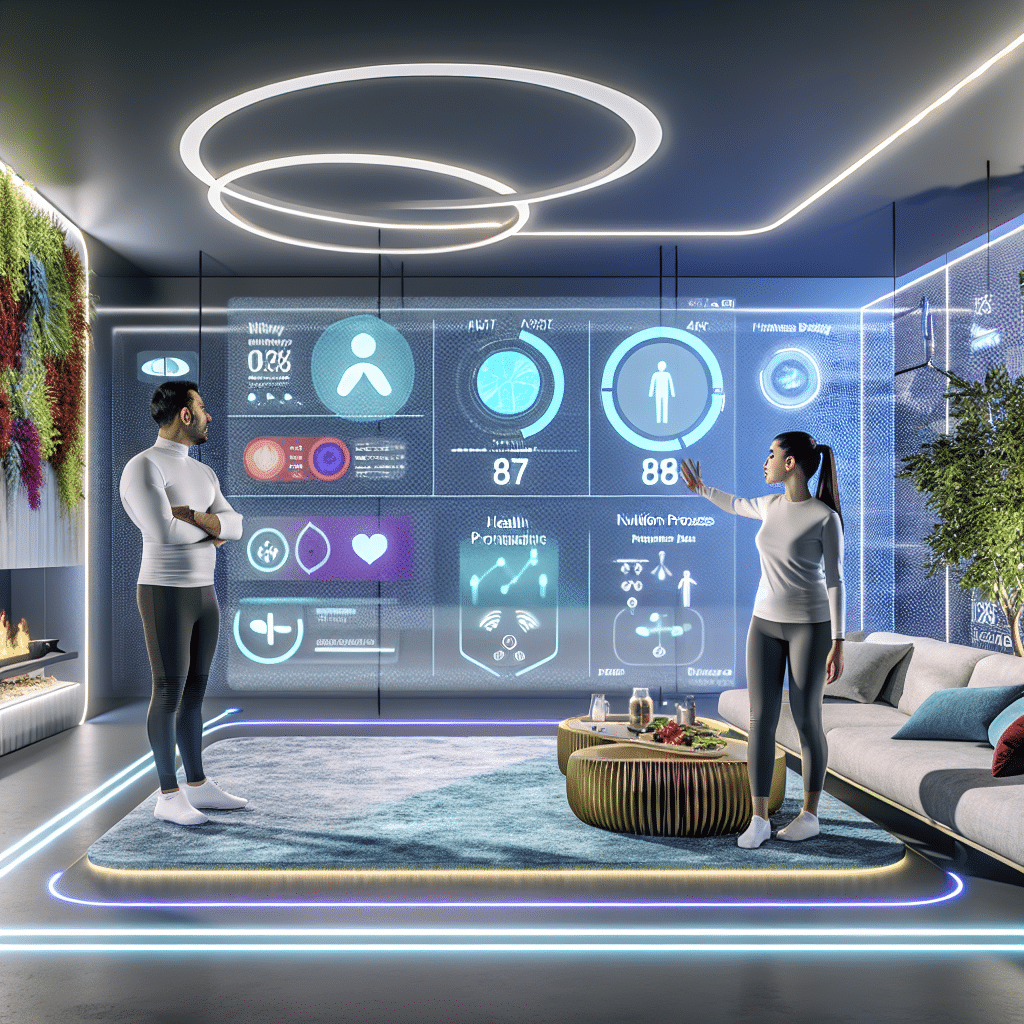
Smart Home, Healthy Life: How AI Transforms Homes into Wellness Sanctuaries (2026)
Imagine a home that anticipates your health needs, optimizes your environment for well-being, and proactively works to improve your physical and mental state. In 2026, this vision is rapidly becoming a reality. The smart home is evolving from a hub of convenience to a personal health sanctuary, powered by artificial intelligence and cutting-edge wellness technologies. Welcome to the wellness revolution, where your home actively contributes to a healthier, happier you.
The Circadian Lighting Revolution: Tuning into Your Body’s Rhythm
One of the most impactful advancements in smart home wellness is the advent of sophisticated circadian lighting systems. These AI-driven systems dynamically adjust the color temperature and intensity of your home’s lighting throughout the day, mimicking natural sunlight patterns. This helps regulate your body’s natural sleep-wake cycle, improving sleep quality, boosting mood, and increasing energy levels.
- Personalized Light Therapy: Integration with personal health data from wearables allows for customized light therapy, addressing specific needs like seasonal affective disorder (SAD) or jet lag.
- CES 2026 Innovations: At the Consumer Electronics Show this year, several companies showcased lighting systems that learn your daily routines and adjust lighting accordingly, creating a truly personalized experience.
Studies show that proper circadian lighting can lead to a 15-20% improvement in sleep quality and a noticeable reduction in symptoms of depression. It’s a simple yet powerful way to transform your home into a wellness-boosting environment.
Predictive Wellness Automation: Anticipating Your Needs
The smart homes of 2026 are no longer just reactive; they’re predictive. AI algorithms analyze data from various sensors and devices throughout your home to anticipate potential health issues before symptoms even appear.
- Air Quality Monitoring and Purification: Smart homes continuously monitor air quality, detecting pollutants like pollen, dust, and VOCs. When levels exceed healthy thresholds, the system automatically activates air purifiers to restore optimal air quality.
- Temperature and Humidity Optimization: Maintaining the ideal temperature and humidity levels is crucial for respiratory health and overall comfort. Smart thermostats and humidifiers work together to create a consistently healthy indoor environment.
- Wearable Integration: Seamless integration with wearable devices like smartwatches and fitness trackers provides a comprehensive view of your health, allowing the smart home to personalize its wellness settings based on your individual needs.
Imagine your home automatically adjusting the humidity levels when it detects signs of a potential asthma flare-up, or increasing ventilation when it senses elevated levels of carbon dioxide. This is the power of predictive wellness automation.
Voice-Controlled Wellness: A Natural Approach to Health Management
Voice assistants like Alexa+ and Google Gemini for Home are becoming increasingly sophisticated in their ability to understand and respond to health-related commands. Natural language processing allows you to interact with your smart home in a conversational way, making it easier than ever to manage your wellness.
- “Alexa, purify the air in the bedroom” A simple voice command can trigger a cascade of actions, improving your immediate environment.
- “Google, what’s the air quality index today?” Get real-time information about your local air quality, empowering you to make informed decisions about outdoor activities.
Privacy is a major concern when it comes to health data. Many smart home systems are now incorporating on-device processing, ensuring that your sensitive information stays within your home network and is not shared with third parties.
Matter Protocol: Unifying the Wellness Ecosystem
The Matter protocol is revolutionizing the smart home industry by providing a universal standard for device compatibility. This means that health monitoring devices from different manufacturers can now seamlessly communicate with each other, creating a more integrated and comprehensive wellness ecosystem.
- Seamless Data Sharing: Matter enables seamless data sharing between wellness platforms, allowing you to track your health metrics in one centralized location.
- Future-Proofing Investments: By choosing Matter-compatible devices, you can ensure that your health technology investments will remain relevant and compatible for years to come.
This interoperability simplifies setup, reduces complexity, and empowers users to create customized wellness solutions tailored to their specific needs.
Real-World CES 2026 Innovations: A Glimpse into the Future
CES 2026 showcased a plethora of innovative wellness technologies that are poised to transform the way we live. Here are a few highlights:
- AI Rejuvenation Shower System: This shower system analyzes your skin in real-time and customizes the water temperature, pressure, and mineral content to optimize skin health.
- DeepScent’s Emotionally Adaptive Scent Experiences: This system uses AI to analyze your emotional state and release customized scents to promote relaxation, focus, or energy.
- Coway’s Humid Curator: This smart humidifier automatically adjusts humidity levels based on real-time air quality data and your personal preferences, ensuring optimal respiratory health.
- Smart Appliances for Healthy Eating: Refrigerators that suggest healthy recipes based on the ingredients you have on hand, and ovens that automatically adjust cooking times to preserve nutrients.
These innovations demonstrate the incredible potential of technology to enhance our well-being and create truly personalized health experiences within our homes.
Energy Efficiency Meets Health: A Sustainable Approach to Wellness
The pursuit of wellness doesn’t have to come at the expense of the environment. In fact, many wellness-focused smart home technologies can also help reduce energy consumption and promote sustainability.
- Smart Lighting and Climate Control: Optimizing lighting and temperature based on occupancy and natural light levels can significantly reduce energy waste. Studies show that smart thermostats can reduce energy consumption by up to 30%.
- Water Conservation: Smart shower systems and leak detection devices can help conserve water, reducing your environmental footprint and lowering your utility bills.
Investing in health-focused smart home technology can provide a significant return on investment, both in terms of improved health and reduced energy costs. By optimizing your home for wellness, you’re also creating a more sustainable and environmentally friendly living space.
Privacy and Security: Protecting Your Sensitive Health Data
As smart homes become increasingly integrated with our health, it’s crucial to address the potential privacy and security risks. Protecting sensitive health data is paramount, and there are several steps you can take to ensure your information remains safe.
- Choose Reputable Brands: Select smart home devices from reputable manufacturers with a proven track record of security and privacy protection.
- Enable Two-Factor Authentication: Add an extra layer of security to your smart home accounts by enabling two-factor authentication.
- Regularly Update Software: Keep your smart home devices and software up to date with the latest security patches.
- Understand Data Storage: Consider whether your devices use local processing (data stays within your home) vs. cloud-based monitoring. Local processing is generally more secure.
- Review Privacy Policies: Carefully review the privacy policies of the smart home devices and services you use to understand how your data is being collected, used, and shared.
By taking these precautions, you can enjoy the benefits of a wellness-focused smart home without compromising your privacy or security.
Conclusion: Building Your Personal Health Sanctuary
The smart home of 2026 is more than just a collection of connected devices; it’s a proactive partner in your health and well-being. From circadian lighting to predictive wellness automation, AI-powered technologies are transforming our homes into personal health sanctuaries.
Start small, perhaps with a smart air purifier or a circadian lighting system. Gradually build your health sanctuary, integrating new technologies as your needs evolve. The future of wellness is here, and it’s waiting to transform your home.